
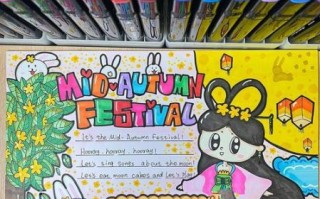
Mid-Autumn Festival is one of the most beloved traditional celebrations in Chinese culture. When teachers ask students to craft an English essay about it, many feel stuck between cultural depth and linguistic accuracy. This guide walks you through every stage—from brainstorming to polishing—so your composition reads naturally and scores high.
What exactly should I describe first?
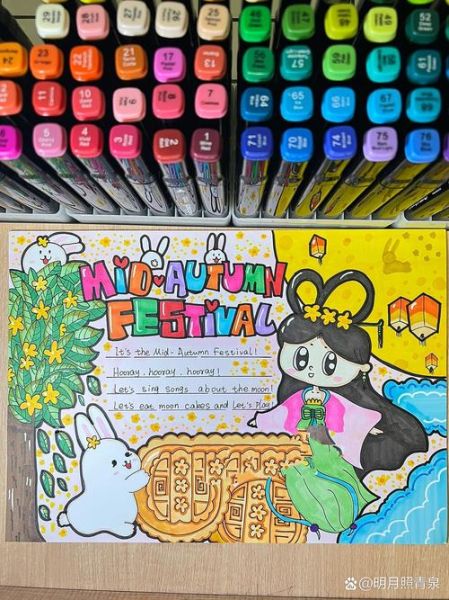
Start with the **moment the full moon rises**. Readers picture a glowing disc hanging above tiled rooftops, and you immediately anchor them in time and place. Mention the **date on the lunar calendar**—the fifteenth day of the eighth month—then zoom into sensory details: the faint rustle of cassia leaves, the distant clang of a bronze bell, the sweet scent of osmanthus drifting across courtyards.
How do I weave legend into narrative without sounding like Wikipedia?
Turn the myth of **Chang’e flying to the moon** into a mini-story inside your essay. Instead of listing facts, let a grandmother tell the tale to wide-eyed children on the balcony. Use dialogue: “See that shadow on the moon? That’s Chang’e hugging her jade rabbit.” This technique **humanizes folklore** and keeps the tone conversational.
Which customs deserve spotlight and how?
- Mooncake sharing: Describe the delicate press of the mold against dough, the glossy egg wash, and the first crack when the pastry yields to reveal lotus-seed paste.
- Lantern parades: Capture the glow of cellophane fish and rabbit lanterns bobbing along narrow hutongs, children laughing as candles flicker.
- Family reunion dinner: Focus on the round table—symbolic of completeness—and the way chopsticks pass the last taro ball to the eldest grandparent.
How can I express homesickness if I’m writing from abroad?
Contrast the **quiet dormitory hallway** with the imagined din of your family courtyard. Mention opening a vacuum-sealed mooncake mailed by your mother; the plastic crinkles like autumn leaves you haven’t heard in years. A single bite floods your mouth with **red-bean nostalgia** and the metallic aftertaste of loneliness.
What vocabulary lifts the essay from average to vivid?
Replace generic words with **lunar-specific lexis**:
- “Bright” → **lustrous, argent, incandescent**
- “Gather” → **convene beneath the celestial orb**
- “Eat” → **savor the crumbly crust**
Sprinkle idioms sparingly: “once in a blue moon” fits when describing rare reunions.
How should I structure paragraphs for flow?
- Hook: Begin with a rhetorical question—“Have you ever tasted moonlight?”—then lead into the festival’s arrival.
- Backdrop: Explain the lunar calendar’s rhythm in two concise sentences.
- Body blocks: Dedicate one paragraph to legends, one to food, one to personal memory.
- Reflection: End on a forward-looking note—wishing next year’s moon finds you closer to loved ones.
Can I include modern twists without breaking tradition?
Absolutely. Mention **snow-skin mooncakes in matcha flavor**, LED rabbit lanterns synced to pop songs, or video-call toasts across continents. These details **bridge old and new**, showing the festival’s living evolution.
How do I polish grammar and style?
- Run sentences through a **read-aloud test**; if you stumble, shorten or split.
- Use **parallel structure** for rhythm: “We bake, we wait, we gaze.”
- Check **tense consistency**—narrate legends in past tense, present emotions in present tense.
Sample excerpt (150 words)
Under the **lustrous mid-autumn moon**, our courtyard transforms into a theater of silver light. Grandma lifts a lotus-shaped lantern, its paper petals trembling like real blooms in the night breeze. “Long ago,” she begins, “Chang’e swallowed the elixir to save us from a tyrant’s greed.” My cousin leans forward, eyes reflecting twin moons. I break a mini mooncake, the salted yolk oozing like liquid gold, and wonder if the goddess above tastes the same sweetness. Somewhere beyond the tiled roofs, a radio crackles with a modern ballad, yet here, time folds gently—past and present sharing one round table.
Quick checklist before submission
- Does the first sentence **hook curiosity**?
- Have I **balanced facts with feelings**?
- Are **cultural terms** explained in context rather than footnotes?
- Is the **word count** within teacher limits?
- Have I **proofread** for common slips—its/it’s, mooncake/moon cake?
Master these steps and your Mid-Autumn Festival essay will glow as brightly as the full moon itself, leaving readers both informed and quietly homesick for a night beneath its argent light.
还木有评论哦,快来抢沙发吧~